




Blog
CHECK OUT OUR HELPFUL ARTICLES


We strive to be a valued and ongoing resource for our clients and all those considering building a custom home. You’ll find our blogs to be educational, informational and extremely helpful to you as you consider building a custom home.
We invite you to receive our monthly blog/newsletter, click here.

The New Media Room
Thoughtful planning will help homeowners get the most from this popular amenity.
Home theaters were all the rage ten years ago. These rooms were designed for passively watching TV and movies, and were acoustically separated from the rest of the house. While some homeowners still want home theaters, most now opt for a media room that doubles as a game room. Getting the most from these spaces requires careful planning.

Sensible Green
Sustainable construction is nothing mysterious. Its most important aspects are some of the same things that define a quality builder.
Green homes, also called sustainable homes, are more affordable than ever. Last year, for instance, a nationwide McGraw Hill study of builders and remodelers found that going green adds an average of just 7% in cost to a project, compared to 11% six years previously. We can often offset all or part of this added cost with State and Federal tax credits and energy use savings.

Plan to Succeed
A complete set of plans and specs will eliminate problems and help ensure a smooth project.
Never underestimate the importance of good plans and specifications to a successful new home build. These crucial documents need to be fully completed in order to generate a realistic price, schedule, and contract. Too often, however, they’re left undone.
The plans are the visual representation of the finished home, showing what it will look like when complete.

This Isn’t Your Grandpa’s Solar
After a 40-year hiatus, solar energy is cool again. But for those who remember bulky aluminum frames awkwardly balanced on the roof, the current look, use, performance, and value of today’s solar energy systems has changed dramatically.
As a professional builder, we keep a sharp eye on products and systems that are getting the public’s attention so we can intelligently advise our homebuyer clients about their validity and proper use. Today’s solar energy systems — for both domestic hot water and electricity — have made significant strides that, in the right circumstances, can reduce a homeowner’s monthly energy bills.

Why Changes Are Costly
Even small changes made after work begins can have surprising effects on the budget. Here’s why.
Minimizing change orders is one of the most effective things homeowners can do to control costs. The reason is that seemingly small changes can have cost impacts beyond the builder’s control—costs that ultimately are borne by the customer.
We’re not talking about unscrupulous contractors who write vague specifications to create low bids and then nickel-and-dime clients with change orders to increase profits.
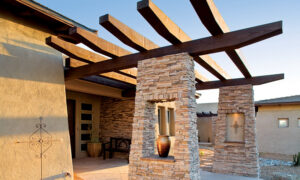
Top 5 Questions: Builder References
You just left an impressive presentation with a professional homebuilder, one among the few you’re considering for your new home project.
In addition to a brochure about his business and highlights of his recent work and the communities in which he builds, he provided you with a list of recent homebuyers for you to call or email to ask about his quality, ethics, skill, and professionalism.
Now the ball’s in your court to actually reach out to those references and gain some

How to Check References
Strategies for getting the most from this important step
The vast majority of builders are happy to provide prospective clients with a list of people for whom they have recently built homes. They encourage prospective clients to call these references and ask about their experience and level of satisfaction.
References may also include financial partners, trade contractors, materials suppliers, and other colleagues who can provide perspective on their professionalism and track record of performance.